Last updated: November 28, 2026
Quick Answer: budget around four cost buckets — entrance fee, reservation system costs, sleep, and food — and start with those before you price anything else. How to budget a family trip to a national park destination works best when you price the park rules first and then build the rest of the trip around them.
Key takeaways
- Start with the park rules before you price hotels or meals. A reservation system can change the whole cost picture. The National Park Service explains fees and trip planning on its Fees & Passes and Plan Your Visit pages.
- The entrance fee is only one part of the bill. Transport, lodging, food, and parking choices can matter just as much.
- A campground often costs less than a hotel, but it can add gear, time, and planning work.
- A park shuttle can save parking stress and fuel, but it may not fit every family schedule.
- The cheapest trip is not always the best trip for a family with young kids, long drive times, or a tight sleep routine.
What should you price first?
Price the park itself first, because the entrance fee and reservation system shape the rest of the budget. The National Park Service keeps fee and trip-planning details in its own pages, including Fees & Passes and Plan Your Visit, and those pages tell you what the park requires before you book the rest.
Start with four lines on a note or spreadsheet: entrance fee, reservation fee if there is one, sleeping cost, and food. Then add transport inside the park, because a park shuttle can replace some driving and parking, while a private car can mean more fuel and more time spent circling lots.
As a general budgeting rule, the biggest budgeting mistake is to treat the entrance fee like the whole trip. That cost may be modest compared with a campground, a lodge, or a hotel near the gate. Consumer budgeting guidance from the Consumer Financial Protection Bureau also supports breaking spending into categories before you commit. A family that prices only the gate fee can end up surprised by the real total on day one.
If you need one rule, use this: do not book sleeping space before you know whether the park needs advance reservations. That single check can change the dates you choose, which then changes lodging price, shuttle access, and even the food plan.
How do you budget for the entrance fee?
You budget for the entrance fee by checking the park’s current fee page before you lock in dates and by deciding whether the family will pay at the gate or use a pass that fits more than one visit. Some parks charge by vehicle, some by person, and some have special rules for timed entry or seasonal access.
The cleanest way to plan is to treat the entrance fee as a fixed line item, not a surprise. Consumer budgeting guidance from the Consumer Financial Protection Bureau supports writing costs down before you spend, and the National Park Service fee pages show the current rules for each park. If a park charges per vehicle, one family car can be simpler than paying for multiple people one by one. If the park charges per person, the number of travelers matters more than the car count.
A useful budgeting habit is to compare the fee with the length of stay. A one-day stop and a three-day visit can have the same entry cost, which makes the longer trip feel less expensive per day even if the hotel bill is higher. That does not make the trip cheap; it just helps you see where the money really goes.
Do not skip the fee page because you think national parks are all priced the same. They are not, and some parks also use reservation systems for access or driving windows. If your dates depend on those rules, the entrance fee is only part of the planning problem.
Should a family use a park shuttle or a car?
A family should use a park shuttle when parking is tight, the routes are simple, and avoiding car stress matters more than having the car nearby all day. A car works better when children need snacks, naps, stroller storage, or a quick exit plan.
| Option | Usually helps with | Usually hurts with |
|---|---|---|
| Park shuttle | Parking stress, fuel use inside the park, crowded trailheads | Fixed schedules, waiting, less control over stops |
| Private car | Flexibility, child gear, nap breaks, late arrivals | Parking fees or shortages, more fuel, more hassle in busy areas |
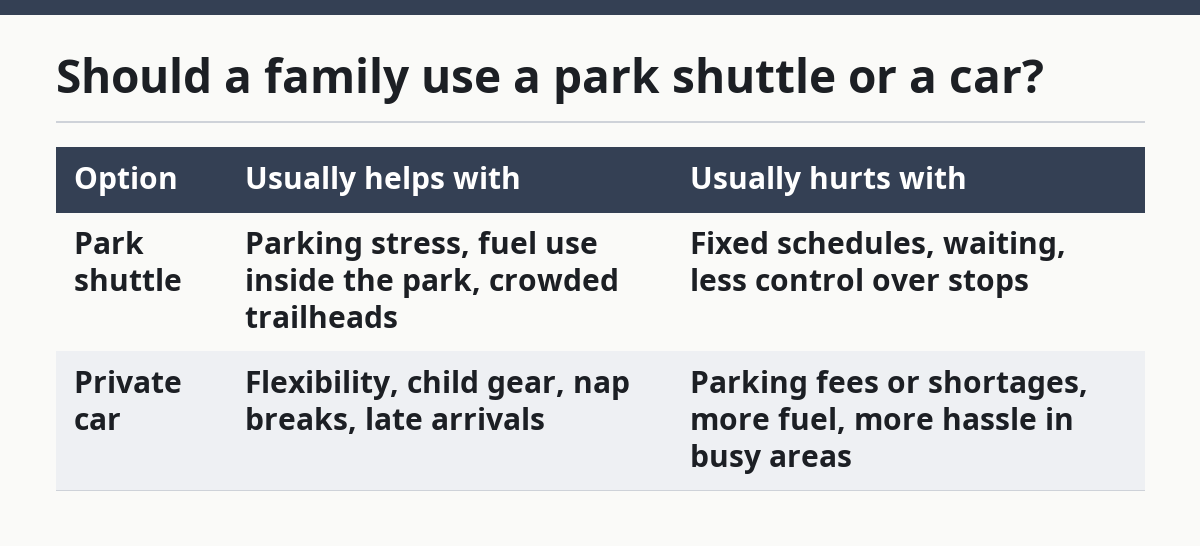
A shuttle can cut hidden costs because it reduces driving inside the park and may make parking less of a daily problem. It can also keep the day simpler if the park uses a reservation system for certain roads or trailheads. That said, a shuttle can become a poor fit when the family has very young children, needs frequent bathroom stops, or wants to change plans on the fly.
A car can be the better budget choice if the park shuttle would force extra waiting or lead to missed connections. It also helps when the family stays outside the park and wants to bring its own food cooler and rain gear without carrying everything onto a bus. The trade-off is that the car may cost more in fuel, parking, and time.
One practical rule: if the park has a strong shuttle network, price both options before you decide. A cheaper-looking hotel far from the park can become costly if it adds long daily drives and parking trouble.
How should you choose camping or lodging?
Choose camping when the family can handle simpler sleeping conditions and wants to keep the overnight cost down; choose lodging when sleep, showers, and easier mornings matter more. Camping at a campground is often the lower-cost path, but it can bring new costs in gear, setup time, and weather planning.
The budget question is not just “Which is cheaper?” It is “Which option protects the whole trip from turning into a bad night and an exhausted next day?” A family with early trail plans may get more value from a bed and a shower than from a lower nightly price. A family that already owns tents and sleeping bags may get better value from a campground.
Camping also changes the daily rhythm. Breakfast can be simpler, but getting ready can take longer. Lodging can make the morning easier, but a room near the park gate can cost enough that it pushes money out of the food or activity budget.
Use this comparison to think clearly:
| Stay type | Budget effect | Best for | Main drawback |
|---|---|---|---|
| Campground | Lower nightly spend | Families with gear and flexible mornings | Setup, weather, and less comfort |
| Lodge or hotel | Higher nightly spend | Families that need easier sleep and fast mornings | Cost, especially near busy park entrances |
Do not choose camping just because it sounds frugal. If a rough night means shorter hikes, more snack stops, and a frustrated child the next day, the “cheap” choice may cost more in the end.
How do you plan food without overspending?
Because the trip already has a car, a shuttle, or a campground to work around, you plan food by treating it as a trip system, not as a pile of random meals. A family that brings breakfast, snack items, and one simple lunch plan usually has more control than a family that buys every meal on the road or inside the park.

Start with the meals that are easiest to predict: breakfast and snacks. Those are the meals most likely to cost more if bought in a visitor area, and they are also the meals that are easiest to pack from home. Then decide which meal you will buy each day, if any, so the family still gets one restaurant break or café stop without turning every meal into a purchase.
A cooler can help if the drive is long and the trip includes a campground or a car-based itinerary. If the park shuttle is part of the plan, pack food that travels well in a day bag instead of depending on a full car trunk. The goal is not to eat plain food all trip; it is to avoid paying top dollar for convenience at every stop.
The common mistake here is underpacking snacks. That usually leads to impulse buys near the entrance, at visitor centers, or at the first place with a short line. Those purchases are easy to make and hard to track, which is why they quietly break the food budget.
A good budget plan names the meals before the trip starts. If the family knows which breakfast, lunch, and snack items are covered, the daily spending gets much easier to control.
What is the simplest way to build the budget?
The simplest way to build the budget is to list the trip in four parts and price each part once: entrance fee, reservation system costs, sleep, and food. After that, add transport inside the park, such as a park shuttle plan or fuel and parking for the car.
Use a numbered list so the trip does not turn into vague estimates:
- Open the park fee page and write down the entrance fee and any rules tied to the reservation system.
- Check the lodging calendar for your dates and compare campground and hotel choices.
- Map the park shuttle plan or car plan so you know how you will move between trailheads, visitor areas, and meals.
- List the food plan for breakfast, snacks, and one paid meal, then decide what to pack.
- Add a cushion line for changes, because a family trip often shifts once a child tires out or a line runs long.
This method works because it prices the trip in the order the park will actually affect it. It also stops one large choice from hiding the rest. A family can see, in plain terms, whether the lodging choice is the real budget driver or whether the shuttle, meals, or reservation system matter more.
The wrong way to do it is to start with a dream hotel and hope the rest fits around it. That often creates a trip that looks good on paper and feels tight every day. A family budget for a national park destination works best when the park rules come first and the extras come second.
What mistakes make a park trip cost more?
The biggest mistake is booking before reading the park’s reservation rules, because that can force a rebook or a longer drive. A second mistake is assuming the entrance fee covers everything, when the park shuttle, food, and sleep can be the larger costs.

Another costly mistake is staying too far from the park gate without checking the daily transport plan. A cheaper room can lead to extra fuel, extra parking stress, and more time in the car. For families, that time has a real cost because tired kids and long mornings often push the day off schedule.
A third mistake is packing for the trail but not for the hours around the trail. Water, snacks, and simple food can reduce spending in the most expensive parts of the park. If those are missing, the family usually pays more and waits longer.
This is not the trip type for a family that wants no planning at all. National park travel rewards the family that checks rules first and books second. It is less forgiving for last-minute travelers who expect to improvise every night.
What if the budget is tight?
If the budget is tight, shorten the trip before you cut the wrong category. A one-night or two-night plan with a campground, packed food, and a clear shuttle plan can cost less than a longer trip with a lodge and daily restaurant meals.
The hardest trade-off is comfort versus control. Camping and packed meals lower the cash outlay, but they ask more from the adults. Lodging and bought meals reduce daily friction, but they can push the trip past what a family wants to spend.
For a tight budget, choose the park features that matter most and skip the rest. One good hike, one easy scenic drive, and one unhurried evening can be a better family trip than trying to do everything. That approach keeps the budget focused on the parts of the national park destination that your family will remember.
What do families spend on a national park trip?
Families spend the most on sleep, food, and getting around the park, not just on the entrance fee. The final total depends on whether the trip uses a campground or lodging, whether the park shuttle replaces some car use, and whether the reservation system forces a different date or stay length.
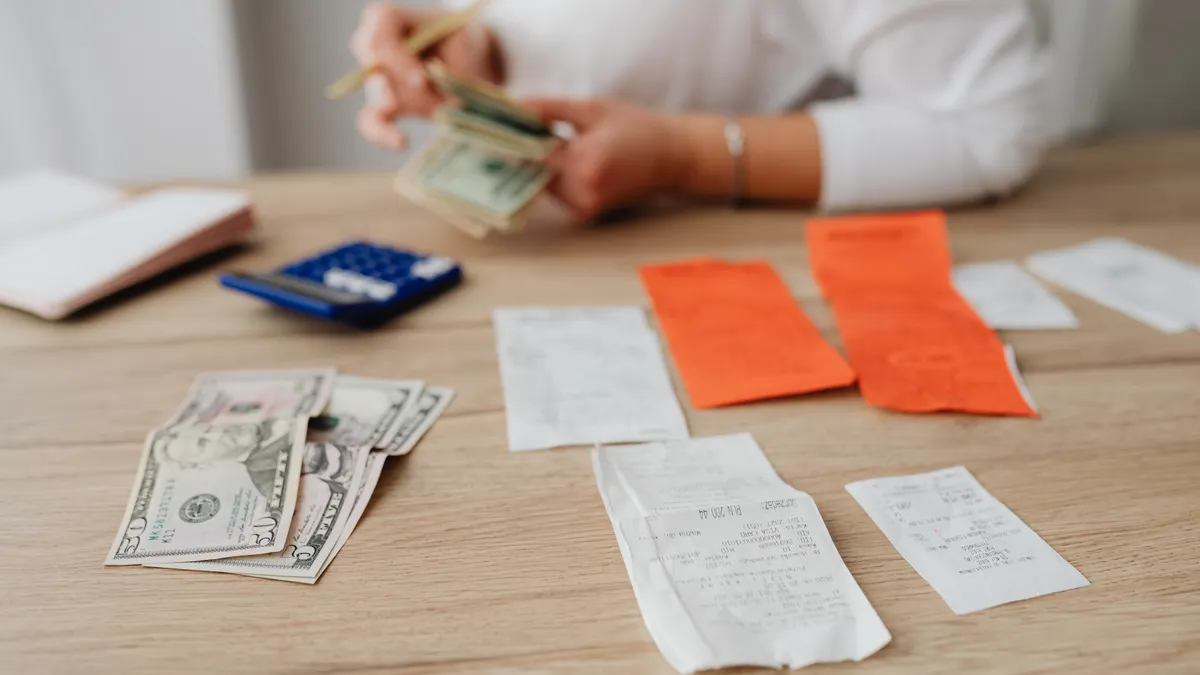
A family can keep the budget under control by pricing each part separately before booking. That gives a clearer picture than guessing from one fee alone, and it helps the trip stay realistic instead of hopeful.
Are national parks cheap for families?
National parks can be budget-friendly for families, but they are not automatically cheap. The entrance fee may be manageable, yet campground or lodging costs, food, and transport inside the park can raise the total quickly.
The trip is usually most affordable when the family plans ahead, uses a campground or simple lodging, and keeps meals simple. It is less cheap when the family books late, relies on restaurant meals, or chooses a stay that adds long daily drives.
How do you save money visiting a national park?
You save money by checking the park’s fee and reservation rules first, then building the trip around those limits. That keeps you from paying for dates or rooms that do not match the park’s access rules.
The next savings come from food and transport. Bring breakfast and snacks, compare campground and lodging costs, and decide early whether the park shuttle or the family car is the better fit for your route.
FAQ
How far in advance should a family book a national park trip?
Book as soon as you know the park’s reservation rules and your dates. If the park uses timed entry or limited lodging, earlier planning can make a real difference.
Is a campground always cheaper than a hotel?
Not always. A campground usually lowers the nightly rate, but gear, setup time, and weather needs can add cost in other ways.
What should go in the first budget draft?
Put the entrance fee, reservation costs, sleep, food, and park transport in the first draft. Those are the main costs that shape a family trip to a national park destination.
What is the easiest way to keep food costs down?
Pack breakfast and snacks first, then decide on one paid meal each day if the family wants one. That keeps the food budget easier to predict.
Drafted with AI; not yet reviewed by a person.