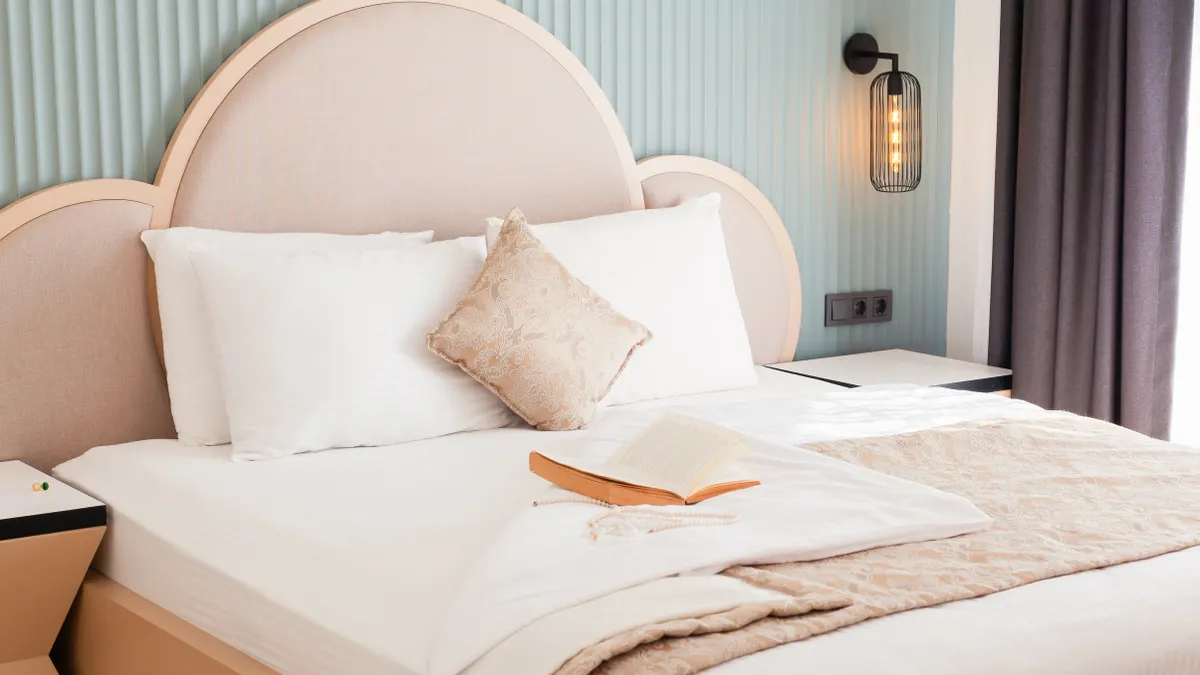
Last updated: October 30, 2026
Quick answer: for families, the Best Budget Hotel Room Features for Families to Prioritize Before Booking are usually a mini fridge, a microwave, a crib or extra bedding, adjoining rooms, and a bathroom that reduces morning bottlenecks. These five features can cut food spending and prevent paying for a second room. A hotel room with the wrong layout can turn a cheap stay into snack runs, takeout orders, and bedtime chaos.
Key Takeaways
- The room features that matter most are the ones that replace outside purchases.
- Prioritize sleep setup first, then food setup, then bathroom flow.
- A mini fridge beats a decorative upgrade when it changes what food you can store and reuse.
- A microwave is worth extra when your family relies on leftovers, grocery meals, or hot food at odd hours.
The family-friendly hotel room features that matter most are not the prettiest ones. They are the features that keep a child fed, let adults shower without a line, and reduce the number of things you have to pack. A room with a desk, a usable bathroom, and simple food-storage gear often saves more money than a fancier lobby ever will.
This is a practical guide to Best Budget Hotel Room Features for Families to Prioritize Before Booking, what each feature does for your budget, and where the trade-off is worth it. It also fits into budget family trip planning by lodging and transportation hub, because the room you choose affects what you spend on meals, time, and energy after you arrive.
Family-friendly hotel room features that actually save money
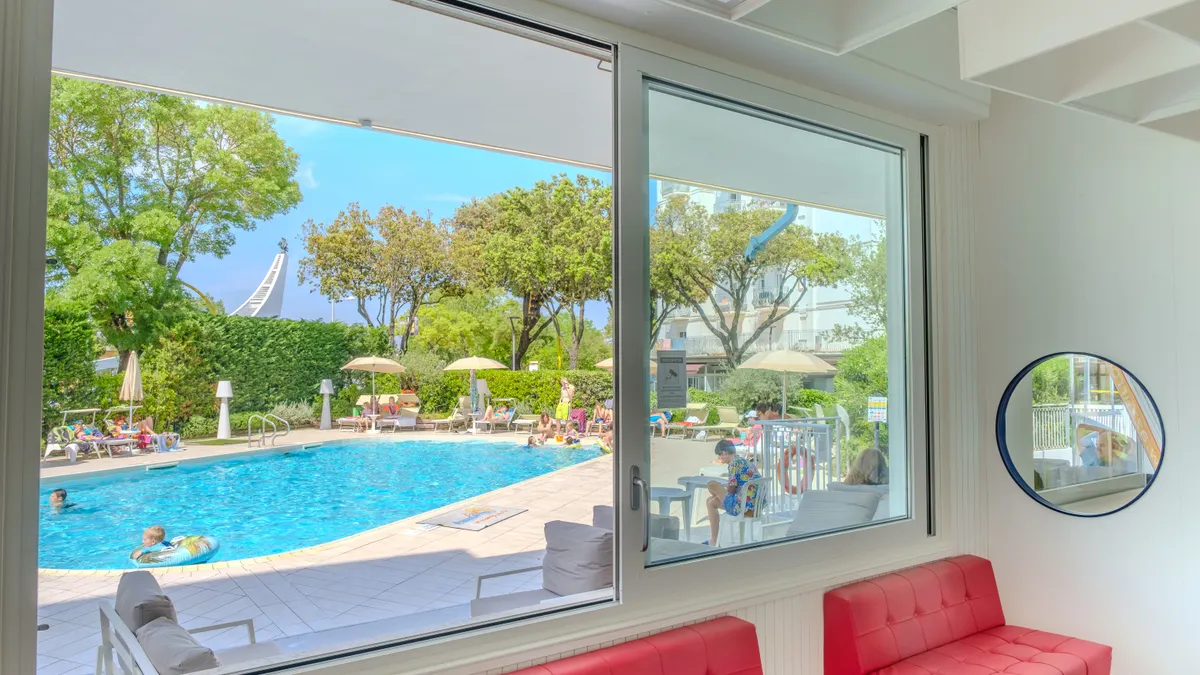
The room features that matter most are the ones that replace purchases you would otherwise make outside the hotel. A mini fridge keeps milk, fruit, yogurt, leftovers, and formula cold. A microwave turns grocery-store meals and takeout into a second dinner. Extra bedding means you are less likely to book a second room just to avoid a bad sleeping setup.
The same logic applies to the bathroom. A standard hotel bathroom with a single sink is workable for one adult traveling alone. For a family, a bathroom with more counter space, a tub if children still bathe, or a separate toilet area can shorten the morning rush by 15 to 30 minutes. That is not a luxury in a budget trip; it is the difference between leaving on time and buying breakfast on the go because everyone ran late.
A desk also earns its keep. It gives you a place for a laptop, phone chargers, snacks, and a backpack, which keeps the bed from becoming the dumping ground for everything. It sounds minor until you are trying to feed a child, answer a message, and find socks in a 200-square-foot room.
The wrong features can be expensive in a quiet way. A room without refrigeration pushes you toward mini-mart food and single-use drinks. A room without a microwave can make even cheap leftovers useless. A room with only one bed and no sofa bed or rollaway option can force a second booking. That is why the question is not “What is included?” but “What replaces an outside cost?”
For room types and policies, the American Hotel & Lodging Association’s general guest guidance is a useful reference point, and the ADA’s hotel accessibility guidance helps when mobility needs affect room choice. The U.S. Department of Energy also notes that compact refrigerators vary in size and performance, so room-by-room details matter.
What should I prioritize first if I’m booking for kids?
The first thing to prioritize is sleep setup, then food setup, then bathroom flow. That order prevents the common mistake of paying for a pretty room that still fails at the basics.
Use this simple booking order:
- Check the bed count and bedding type first. Look for two queen beds, a sofa bed, or a room described as able to fit a crib. That gives children and adults separate sleep zones without paying for an extra room.
- Confirm food storage. A mini fridge is the first food feature to look for; a microwave is the second. Together, they let you save half-eaten meals, keep drinks cold, and make simple breakfast food in the room.
- Look at the bathroom photos or room description. A tub matters for younger kids, while a second sink or a wider vanity helps with brushing teeth, diaper changes, and getting out the door faster.
- Check for a desk or table. A 24-inch to 48-inch work surface gives you a place for bottles, snacks, chargers, and a laptop. Families underestimate this until the first night.
- Ask about crib availability before you book. A crib or pack-and-play can save you from bringing bulky gear, but availability is not the same as guarantee. Confirm it in writing if your child needs one.
- See whether adjoining rooms are possible. If the hotel can place two rooms side by side, older kids can sleep separately while adults still stay close. That is often easier than upgrading to a suite.
The trade-off is that not every hotel can guarantee every item. Cribs may be limited in number, adjoining rooms may depend on occupancy, and microwaves are sometimes only in common areas. If a feature is essential, ask before you pay.
One mistake families make is assuming “family-friendly” means the room is already equipped for children. It often only means the lobby has a high chair or the hotel accepts kids. That is not the same thing as having the room features that reduce spending.
Why a mini fridge matters more than a fancier room upgrade
A mini fridge matters more than a decorative upgrade because it changes what food you can keep and reuse. On a family trip, that usually means fewer wasted snacks, fewer drinks bought from the hotel market, and less pressure to eat every meal out.
This feature is most useful if your trip includes any of the following: toddlers who snack constantly, a baby on formula or expressed milk, a child who eats only certain foods, or an itinerary that keeps you out for 10 or more hours. A fridge lets you bring groceries from a nearby store and stretch them across breakfast, lunch, and snack time.
The common size question matters less than the function question. You do not need a full apartment refrigerator to get value from a hotel room. Even a compact under-counter unit can hold milk, juice boxes, fruit cups, yogurt, cheese sticks, leftovers, and a few water bottles. That is enough to reduce resort-store and convenience-store spending, which is where family budgets leak fastest.
There is a limit, though. A mini fridge is not a kitchen. It will not let you cook, and it may not hold enough for a large family for several days. If you are planning to store a full grocery haul or cook multiple meals, a family room with a refrigerator is helpful but still not the same as a rental with a kitchen. This page does not replace that decision.
The best way to use a fridge well is to pack with it in mind. Buy breakfast items that stay edible cold, choose leftovers that reheat cleanly, and avoid overfilling the shelf so the unit can actually cool. If the hotel charges extra for fridge delivery or lists it as “on request,” factor in the inconvenience as part of the room price. The U.S. Department of Energy’s refrigerator guidance is a practical reference for how compact units depend on airflow and load.
Is a microwave worth paying more for?
A microwave is worth paying more for when your family eats leftovers, buys grocery-store meals, or needs hot food at odd hours. It is not worth paying extra if you plan to eat out every meal and only need the room for sleeping.
A microwave changes the economics of a trip in a way many travelers ignore. It lets you reheat pasta, rice, soup, oatmeal, frozen meals, and kid-friendly snacks without leaving the room. That means one dinner can become two meals, and one grocery run can replace a restaurant stop. It also helps when one child is hungry before the rest of the group is ready to eat.
The advantage is biggest on short stays of 1 to 4 nights, where buying a room with a microwave can pay back quickly in convenience and avoided food waste. It also helps in colder weather, when warm food feels more practical than sandwiches or snack boxes.
The drawback is that a microwave alone does not solve the whole food problem. You still need a plate, a spoon, a bowl, and usually a fridge for storage. Some hotel microwaves are also low-power and slow, which means you may need to heat food in 30-second bursts. That is not a dealbreaker, but it is a sign to keep expectations realistic.
The wrong move is paying for a room upgrade just because “kitchenette” sounds useful. If the hotel kitchenette is only a microwave and a coffee maker, the value depends on your family’s eating style. If your family mainly wants cold breakfast food and a way to warm leftovers, that can be enough. If you need real cooking space, a kitchenette is still not a substitute for a full kitchen.
For microwave safety and food handling, general food-safety guidance from the FDA is the right place to check if you are reheating meals for young children or anyone with a sensitive diet.
How do adjoining rooms, cribs, and extra bedding change the budget?
Adjoining rooms, cribs, and extra bedding save money when they prevent you from booking a larger room or a second room altogether. They are not all equal, and each solves a different problem.
Adjoining rooms work best for families with older kids, grandparents, or anyone who needs privacy but still wants close access. Two standard rooms with a connecting door can be easier than a single suite if the suite price is high or the layout is awkward. The drawback is that adjoining rooms are not guaranteed unless the hotel confirms them, and some properties treat them as a request rather than a promise. If the door matters for safety or sleep, ask about the exact room assignment process.
A crib is the right choice for infants and toddlers who are not ready for a regular bed. It saves you from packing a travel crib in the car or paying for a room with unnecessary extra sleeping space. The downside is supply limits. Many hotels keep only a few cribs on hand, and some hotels use terms like “available upon request” without promising one will be free when you arrive. If your child cannot sleep safely without one, request it before arrival and get the confirmation noted on the reservation.
Extra bedding includes rollaways, sofa beds, and pull-out options. These are useful when you have more people than the room’s main beds can handle. The benefit is obvious: one room may cover the whole family. The trade-off is comfort. A sofa bed can be thin, a rollaway can crowd the room, and both can make nighttime bathroom trips harder. That matters in a room that is already tight.
The money-saving principle is simple. Use the least expensive feature that still matches your family’s sleep reality. If a crib solves the problem, do not pay for a larger room just because it looks nicer online. If a sofa bed creates a bad night for everyone, a second room may be the better value even if the nightly rate looks higher.
How to read room photos and descriptions without getting fooled
Room photos and descriptions help only if you know what to look for. The important clue is not the style of the room; it is whether the photo shows usable space, not just a wide-angle lens and a decorative pillow.
Start with the sleeping arrangement. Count visible beds, check whether the second sleeping surface is a true bed or a couch, and look for floor space beside the beds. Families need room to place a stroller, suitcase, or crib without blocking the path to the bathroom. A room that looks spacious in a photo can still be cramped once luggage arrives.
Then check the food and bathroom details. A mini fridge may be hidden under a counter. A microwave may be in the room, or it may be shared down the hall. Bathroom photos matter because a single sink, one towel hook, and a tiny counter can slow the whole family down. If the photo does not show the bathroom from more than one angle, the room may be more limited than it looks.
Watch the wording too. “Sleeps four” can mean four people fit in theory, not that four people will sleep comfortably. “Accessible” can mean the room has features such as wider doorways, lower switches, or a roll-in shower, but it may also mean the hotel has only a few accessible rooms. If any mobility need exists, ask whether the room is truly accessible or just labeled that way in the listing. The ADA guidance on hotel accessibility is useful when you need to verify what those labels mean.
The main mistake here is choosing based on the lobby, not the room. A polished entrance does nothing for a family trying to get a child to sleep at 8 p.m. The room layout is the budget feature that decides whether you spend more outside the hotel.
What should I ask the hotel before booking with kids?
You should ask the hotel about the exact room setup, food features, crib policy, adjoining room availability, and bathroom details before you book with kids. Those five questions catch most of the hidden costs that budget listings leave out.
Ask in this order:
- Is there a mini fridge in the room, or only by request?
- Is there a microwave in the room, and if not, is there one guests can use?
- Can you guarantee a crib, rollaway, or adjoining room for my dates?
- Is the bathroom a tub, shower only, or accessible layout?
- Can the room fit a stroller, luggage, and child gear without blocking access?
If the answer to any of those is vague, assume the feature is not reliable. “Based on availability” is useful only if you are flexible. If you are not flexible, you need a firm answer before payment.
The best budget booking is usually not the cheapest nightly rate. It is the room that lowers meal costs, avoids a second room, and keeps mornings from turning into a scramble. If a hotel cannot answer these questions clearly, the apparent savings may disappear after one grocery run, one rushed breakfast, and one bad night’s sleep.
What hotel room features matter most for families?
The most useful features are a mini fridge, a microwave, enough beds or extra bedding, and a bathroom that works for more than one person. Those features reduce food waste, cut snack purchases, and make mornings easier. A desk and adjoining room options help too, but they matter after the basics are covered.
Should families pay more for a microwave and fridge?
Yes, if those two features will replace restaurant meals, hotel-market snacks, or wasted leftovers. A microwave and fridge usually make the most sense for stays of 1 to 4 nights, especially with young children. If your family eats out every meal, the extra cost may not return enough value.
Do adjoining rooms help families save money?
They can, especially when a single suite costs more than two standard rooms or when older kids need their own sleeping space. Adjoining rooms are not always cheaper, and they are not always guaranteed, so compare the total cost before you decide.
Drafted with AI; not yet reviewed by a person.