Last updated: October 22, 2026
Quick Answer: the most budget-friendly family national park trips are usually the ones that combine low or no entrance fees, campground stays, and several free or low-cost activities; in practice, Great Smoky Mountains, Shenandoah, Mammoth Cave, and Badlands are often strong value options for families.
The Best Budget National Parks for Families article focuses on parks that keep the big costs low: modest entry fees, campground access, easy junior ranger stops, and enough short hikes to fill a trip without paying for resort-style extras. U.S. national parks can be a smart family vacation if the goal is scenery, movement, and a few memorable ranger programs instead of nonstop spending. For official trip planning and current fees, see the National Park Service at https://www.nps.gov/ and the America the Beautiful Pass details at https://www.nps.gov/planyourvisit/passes.htm.
A budget park trip usually works when the park does three things well. First, it has family-friendly hikes that do not require a private guide or long shuttle rides. Second, it has campgrounds or nearby lodging that does not force a last-minute splurge. Third, it has a visitor center, junior ranger programs, and a clear entry system so you can plan around the park instead of reacting to it. That combination is why some parks are much easier on a family budget than others.
Key takeaways
- The most affordable family park trips often come from camping, cooking some meals, and choosing parks with straightforward entry rules.
- Great value parks are not always the most famous ones; they are often parks with short scenic drives, a strong visitor center, and several low-cost day plans.
- An America the Beautiful Pass can help if your family will visit multiple federal recreation sites in a year.
- Timed entry reservations can change the math, so the “best” budget park is not just about the gate fee.
- The right park for a family with toddlers is often different from the right park for teens who want longer hikes.
How to pick a budget national park for your family
The right budget national park for your family is the one that fits your driving distance, your kids’ ages, and your willingness to camp. A park with a low entry fee can still become expensive if it requires shuttle logistics, scarce lodging, or reservations you did not plan for.
Start with the costs you can control. Park entry fees matter, but they are only one line item. Camping is often the biggest savings lever, because a campsite can replace multiple hotel nights. A family that brings groceries and uses picnic areas can keep food costs down too. Many parks also make it easy to spend a full day on no-ticket activities: visitor centers, scenic drives, ranger talks, short loops, and self-guided nature trails.
Here is the simple filter I would use before naming a park budget-friendly:
- Check the entry rules first. Some parks use timed entry reservations during busy periods. If a park requires a reservation and you miss the window, the “cheap” trip becomes a complicated one.
- Look for campground availability. A park with first-come, first-served sites can work well for flexible travelers; a park with reservation-only camping can still be affordable if you book early.
- Scan for short hikes and loop trails. A 1-mile trail, a boardwalk, or a paved path can entertain kids far better than a single hard summit hike.
- Find the visitor center schedule. A ranger-led program, exhibit hall, or junior ranger booklet can give you 1 to 2 hours of low-cost structure.
- Decide whether the America the Beautiful Pass helps. If you plan to visit several fee-charging parks in the same year, the pass can make more sense than paying at each gate.
- Compare the nearby lodging market. If camping is not an option, choose parks near towns with chain motels and basic vacation rentals, not luxury-only resort areas.
The mistake most families make is picking a park for a headline view and only later discovering the logistics. A park that looks “cheap” online may still cost more if every meal is eaten in a gift-shop café and every night is spent far from the entrance. This is why the budget question is really a trip-planning question.
Which U.S. national parks give families the best value?
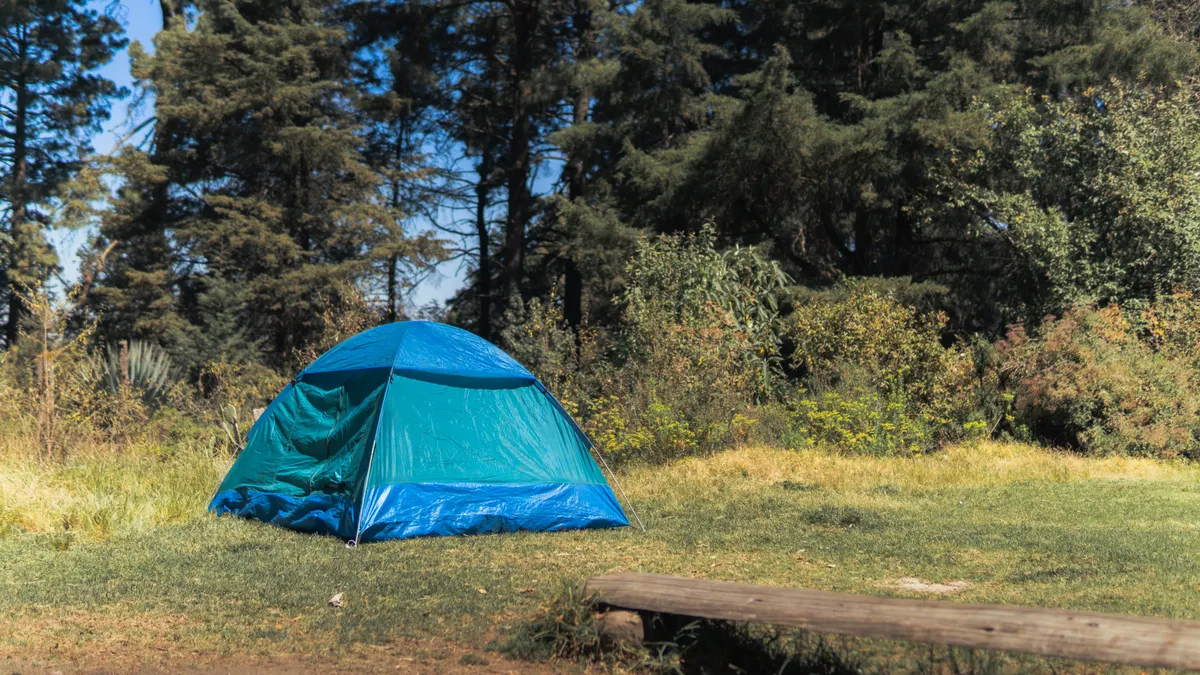
The best-value U.S. national parks for families are the ones with a mix of modest access costs, strong campground options, and enough kid-friendly activities to fill several days. Parks like Great Smoky Mountains, Shenandoah, Mammoth Cave, and Badlands are often good value because they can support simple, lower-cost itineraries without turning every activity into an add-on purchase.
Great Smoky Mountains National Park is one of the strongest budget picks because it has no standard entrance fee, though lodging and congestion can still drive up costs fast. It works best for families who are comfortable with early starts and who do not mind planning around traffic. The trade-off is obvious: popular areas can feel crowded, and some of the most convenient stays are not cheap during peak season.
Shenandoah is a solid pick for families who want scenic drives, overlooks, and access to shorter hikes without a complicated park layout. It can be a good fit for a long weekend, especially if you are already traveling in the Mid-Atlantic. The downside is that the most convenient lodging near major entrances can cost more than the park itself.
Mammoth Cave is a strong value for families who want a mix of above-ground and below-ground activities. Cave tours add structure, and the park gives you a reason to stay several days without needing a large entertainment budget. Because the experience leans heavily on cave timing and tour availability, it rewards advance planning more than spontaneous wandering.
Badlands can be a surprisingly good family value if your kids like big scenery, wildlife viewing, and a park that is easy to navigate by car. It is not the place for endless shaded strolls, though. Families who need lots of tree cover, water play, or long afternoons of walkable amenities may find it less comfortable in hot weather.
If I had to narrow the value question to one sentence, it would be this: choose parks where the park itself supplies the entertainment. A family that can spend 4 to 6 hours a day on trails, overlooks, ranger programs, and campground downtime gets much more for the money than a family that needs paid attractions every afternoon.
Best budget national parks for families by trip style
The right park depends on how your family actually travels, not just on the admission cost. A park with a low gate fee is still a poor fit if your children hate long drives, if you need paved paths, or if you are trying to avoid camping.
For young kids, look for parks with short loops, boardwalks, and an easy visitor center stop. Acadia can work if you keep expectations realistic and focus on short walks and scenic driving rather than marathon hiking, but lodging and summer crowds can cut into the budget. If you want a cleaner budget fit, Great Smoky Mountains or Shenandoah usually gives you more mileage from a simple day plan.
For school-age kids, parks with junior ranger programs and lots of “stop-and-look” scenery work well. Bryce Canyon is a strong example because even a short rim walk can feel dramatic. The drawback is that the most convenient hotel options near iconic parks can get expensive quickly, and some parks add shuttle logistics during busy times.
For teens, the best value parks are often the ones with a few longer hikes or a bigger sense of adventure. Rocky Mountain can be excellent if you manage the reservation and altitude issues, but it is not the easiest budget choice for everyone. Older kids may love the payoff, yet families who want a low-stress, low-cost trip may prefer a park with simpler access and fewer moving parts.
For multi-generational trips, prioritize accessibility, rest stops, and short distances between highlights. Yosemite is famous, but it is rarely the easiest budget answer once you factor in congestion, reservations, and the cost of staying near the valley. A more workable multi-generational pick is often a park with a smaller footprint and fewer shuttle dependencies.
The pattern is clear: the budget park is not always the park with the cheapest gate fee. It is the park that gives your particular family enough to do without forcing extra spending on transportation, lodging, or backup entertainment.
How to keep the trip cheap without making it miserable
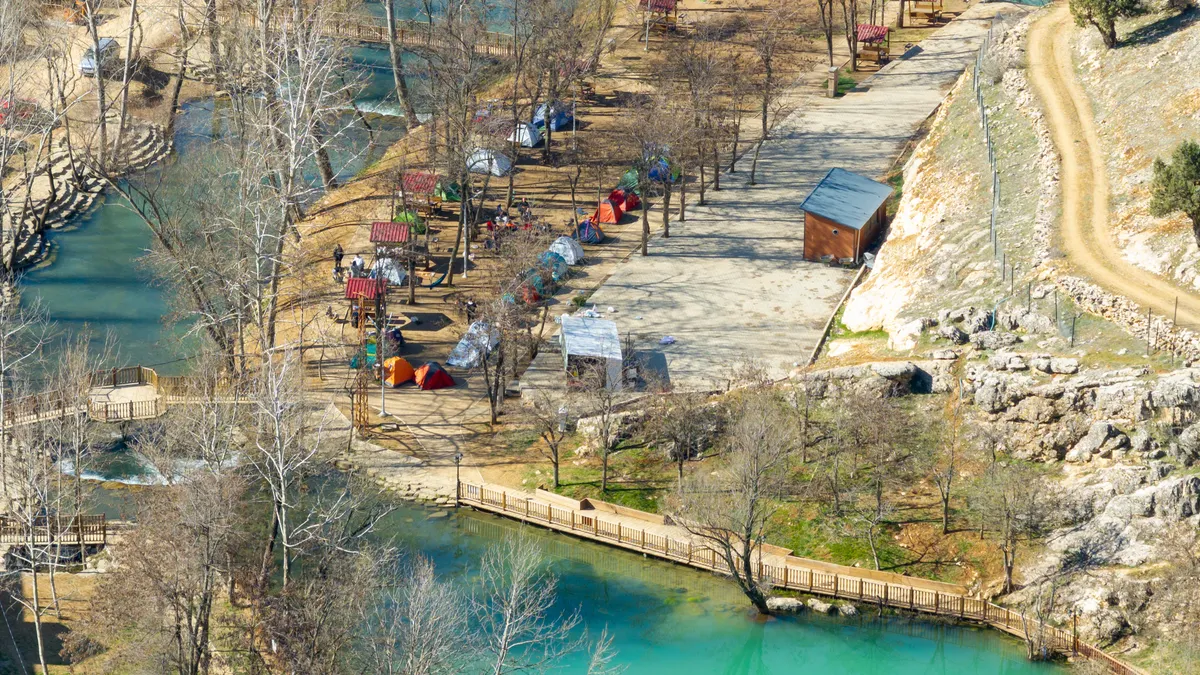
You keep a family national park trip affordable by controlling food, lodging, and timing, not by trying to save on the entrance fee alone. A lot of families shave $20 at the gate and then spend far more on convenience later.
Therefore, plan the trip in this order:
- Pick the park around your family’s budget ceiling first. Decide whether you can camp, stay in a basic motel, or need a cabin, then choose a park whose access pattern fits that choice. The result is fewer last-minute upgrades.
- Book or plan the campground before anything else. National park campgrounds can fill early in summer, and a reservation gives the trip a fixed base cost. If the campground is first-come, first-served, arrive early in the day or plan a backup site nearby.
- Map one short hike and one scenic drive per day. A 1- to 3-mile trail plus a drive or visitor center stop usually keeps kids engaged without overpacking the schedule. The goal is to avoid the “we have to buy something because everyone is bored” spiral.
- Use the visitor center on day one. Grab maps, check for ranger talks, and ask about current trail conditions. A 15-minute stop can prevent an unnecessary 30-minute detour or a closed-trail disappointment.
- Build in food you can carry. Breakfast, lunch supplies, and refillable water bottles cut restaurant dependence. A cooler with simple items is often more useful than a fancy meal plan.
- Check whether timed entry reservations apply. If they do, lock in your slot before you book the whole trip. Missing a reservation can waste a day and force you into a pricier backup plan.
- Buy the America the Beautiful Pass only if the math works for your itinerary. It is useful for families visiting more than one fee-charging federal site in a year, but it is not automatically the cheapest move for a single park trip.
The biggest hidden cost is changing plans at the last minute. If you treat the park like a flexible destination with built-in structure, the trip stays calmer and cheaper. If you treat it like a city vacation, you will keep paying for workarounds.
What family-friendly hikes should you look for?
The best family-friendly hikes are short, clearly marked, and easy to abandon if kids get tired. A good budget park hike usually runs 0.5 to 3 miles, has visible trailheads, and gives you a payoff before anyone gets cranky.
I would look for four trail traits. First, a loop trail is easier than an out-and-back when you are managing snacks, restrooms, and short attention spans. Second, a trail with frequent views or landmarks keeps kids moving because they can see what they are getting. Third, a path with modest elevation gain is more useful than a steep “easy” trail that becomes a complaint factory halfway through. Fourth, a paved or boardwalk segment can be a lifesaver for strollers or very young kids.
This is where some parks earn their family reputation. In places with many short trails, you can stack a 45-minute walk, a picnic, and a visitor center stop into one afternoon. In parks that only shine through strenuous hikes, the trip becomes less budget-friendly because you end up paying for more days just to recover.
A common mistake is choosing one famous trail and planning the whole day around it. That can backfire if the trail is exposed, crowded, or too hard for the youngest child. Instead, build a trail menu: one easy option, one moderate option, and one weather backup. If the first choice fails, the day does not.
Where camping and visitor centers save the most money
Camping and visitor centers save the most money because they turn the park itself into the activity plan. A campsite replaces a hotel, and a visitor center can replace a paid attraction.
Camping works best in parks with established campgrounds, refill stations, and straightforward check-in rules. It also works best when the family is comfortable with earlier bedtimes and simpler meals. A campground is not just cheaper lodging; it can become the evening activity, especially if the park has ranger talks, campfire programs, or junior ranger materials.
Visitor centers matter more than many travelers realize. They are the place to get the current trail map, ask about road closures, and pick up a junior ranger booklet. They often have exhibits that keep kids engaged for 20 to 30 minutes, which is enough to break up a long day. If a park has a strong visitor center, you can spend less on outside entertainment and still feel like the trip has structure.
This is also where budget trips can fail. If you arrive after the visitor center closes, miss campground check-in guidance, and skip the ranger schedule, you lose the free programming that makes the park feel worth the drive. The fix is simple: put the visitor center at the top of day one, not the bottom of the list.
Which national parks need reservations?
Some national parks require timed entry reservations during busy periods, and that rule can change the budget more than the gate fee does. Parks with reservation systems are not bad family choices, but they are bad choices for people who want to improvise.
The practical problem is not the reservation itself. It is the chain reaction that follows if you miss it. You may need to arrive very early, change your lodging choice, or choose a different entrance strategy. That can add stress and cost even if the park entry fee stays the same.
Before booking, check whether the reservation applies to just one road corridor, one seasonal window, or the entire park. Also check whether camping or lodging inside the park gives you any access advantages. In some places, staying inside the park simplifies timing; in others, it just puts you closer to the crowds.
If your family does not handle fixed schedules well, a park without timed entry is usually the better budget move. If your family likes structure and can commit to a plan, a reservation park can still be worth it. The key is to treat the reservation as part of the trip cost, not as a minor detail.
For a broader framework on choosing destinations by budget type, this article belongs under the larger budget family trip planning by destination type hub.
Drafted with AI; not yet reviewed by a person.