

Last updated: August 10, 2026
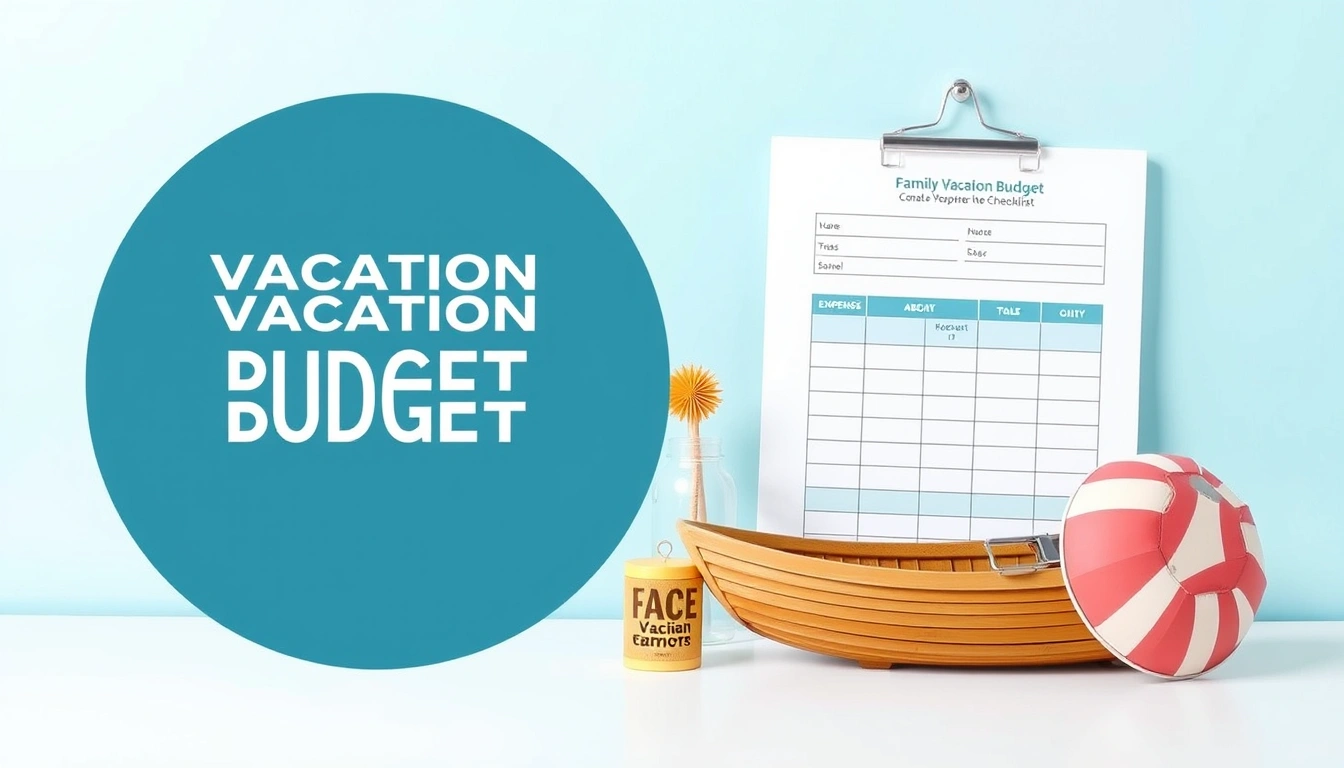
A family trip can look affordable on paper and still blow up at the gate, in the rental car line, or somewhere between lunch and bedtime. Build the budget around three buckets: fixed trip costs, daily spending, and the little expenses people forget until checkout. This family vacation budget template expense checklist shows how to set it up, what belongs in it, and how to tweak it for short trips, long trips, road travel, air travel, or vacations built around kids who need more than a suitcase and a smile. Quick answer: most families should start with a 10% to 15% buffer on top of estimated trip costs, then track the rest in categories so the budget stays usable.
- Quick answer: start with a 10% to 15% buffer for a family vacation budget.
- List fixed costs first, then daily spending, then a separate surprise fund.
- Food, transport, and small convenience buys are the most common budget leaks.
- A family vacation budget template expense checklist works best when every fee has its own line.
- Use one budget number only after you have broken out airfare, lodging, food, and local transport.
Start With the Question That Matters: What Can This Trip Safely Cost?
Know your ceiling first, and the whole thing gets easier. Don’t know it? Then the template is just a guess with nice formatting, and the trip can sprawl fast.
I would set the budget in this order:
- Pick the total amount you can spend without stress. This is not your “wish” amount. It is the number that still lets you pay regular bills, cover emergencies, and return home without guilt.
- Split the trip into buckets: transportation, lodging, food, activities, parking/tolls, and a buffer.
- Estimate the fixed costs first. These are the charges that are hardest to change once you book: flights, hotel or rental, rental car, train tickets, resort fees, and theme park tickets.
- Set a daily cap for variable spending. That covers meals, snacks, souvenirs, ride shares, tips, and random treats; if the amount feels uncertain, consider a travel advisor, financial planner, or other professional before you commit.
- Add a cushion. A family trip needs one because kids get hungry at inconvenient times and travel days create extra costs you did not plan for.
Most people get the order backwards: they chase restaurants and activities, then treat transportation like a footnote. Travel planners and consumer budgeting guidance generally recommend the opposite, so when you are unsure, consult a professional or reliable planning source before booking. That reversal can wreck the math. Airfare or lodging may be the big number, so you need it first, because it tells you whether the destination even works.
Here is a simple structure you can use in a spreadsheet or notes app:
| Category | Budgeted | Actual | Difference |
|---|---|---|---|
| Transportation | |||
| Lodging | |||
| Food | |||
| Activities | |||
| Local transit / parking / tolls | |||
| Gear / packing / toiletries | |||
| Emergency buffer |
Fill in the “budgeted” column before you book anything. Just that. Once that number exists, everything else gets simpler.
Quick check: if you know your total budget but not your destination, this is your path; if you know your destination but not your ceiling, stop and set the ceiling first.
The Family Vacation Budget Template I Would Actually Use

Kids change the shape of a trip. So I would not use one big number. I’d use a family vacation budget template with separate lines for the items families underestimate most: food, transit, and the extras that show up when someone is tired, wet, bored, or hungry.
A usable template should include these rows:
- Transportation to and from the destination
- Lodging
- Food and drinks
- Admission tickets or booked activities
- Local transportation
- Parking, tolls, luggage fees, and seat fees
- Travel insurance, if you choose to buy it
- Child-specific costs: crib rental, stroller rental, kid meals, diapers, baby formula, pool gear, babysitting
- Souvenirs and gifts
- Buffer for surprises
Flying? Then add the fees that like to hide in the fine print: checked bags, seat selection, airport parking, rides to the airport, and the cost of getting from the airport to your hotel. Driving? The budget shifts toward gas, tolls, parking, and maybe an overnight stop if the drive is too long for one day.
Use a simple formula for food that works for many trips, then adjust it to your destination and cooking setup:
- Breakfast at hotel or rental: low, medium, or high depending on whether you cook
- Lunch: usually the easiest meal to overspend on because everyone is out and tired
- Dinner: often the biggest meal cost
- Snacks and drinks: always separate, because they do not behave like “just a little extra”
A practical template looks like this:
| Situation | Best Path | Why Other Options Fail |
|---|---|---|
| Air travel with young kids | Budget each fee line separately and add a buffer | One lump sum hides bag fees, airport transport, and meal costs |
| Road trip | Track fuel, lodging, food stops, and parking on separate lines | A flat “transportation” number misses overnight and meal costs |
| Resort stay | Include resort fees, tips, activities, and expensive convenience meals | The room rate alone gives a false sense of affordability |
| Rental house | Budget for groceries, cleaning supplies, and transport | People assume the kitchen removes food costs, which is only partly true |
Keep it simple enough that you’ll actually update it. Honestly, a plain budget you use beats a perfect one that never gets opened.
Quick check: if your current budget is one number with no categories, you need to split it before you book anything else.
If You’re Flying, the Budget Needs Extra Lines
A plane ticket rarely tells the full story. Once bags, seat assignments, airport transport, and airport meals enter the picture, the family vacation budget changes shape quickly. If you are driving instead, those costs shift into gas, tolls, and road stops.
For a flying family, I would build the budget in this order:
- List airfare for every traveler. Include infants, children, and any itinerary changes that might raise the fare.
- Add baggage fees and seat fees. Some families can avoid these. Many cannot.
- Estimate airport transportation both ways. That can be parking, a rideshare, a taxi, or transit.
- Add first-day and travel-day food. Airports are expensive, and delays push meals outside your normal routine.
- Check your arrival logistics. If your hotel is far from the airport, the transfer can matter as much as a night’s meal budget.
- Set a same-day backup amount. If a flight gets delayed, families often spend more without meaning to.
Comparing flights alone misses the real decision. A cheaper fare can end up pricier once bags, parking, and a late-night ride after landing are added in. When you are choosing between two flight options, compare the full travel cost, not the sticker price. According to the U.S. Department of Transportation’s consumer guidance, fees and taxes can change the total fare meaningfully, so the budget should reflect the full trip cost rather than the headline number.
A useful rule: the messier the flight day, the more money you should keep outside your preplanned spending. Not to spend it. To avoid chaining every dollar to a perfect plan.
If you are flying with kids under school age, I would also budget for:
– extra snacks
– water
– a small activity bag
– comfort items you forgot
– airport time that runs longer than you expected
That is not indulgence. It is travel friction, and friction costs money.
Quick check: if your budget still says “flight + hotel,” you are not done; if it already includes airport fees, bags, and arrival transport, you are in better shape.
If You’re Driving, the Hidden Costs Change
Road trips move the money around. Instead of flight fees, you’re paying for miles, meals, overnight stops, and the kind of tired spending that happens after hour six. A drive can look cheaper than flying right up until the actual bill shows up.
I would build a driving budget like this:
- Estimate fuel first. Use your vehicle’s typical fuel economy and the rough route distance, then add a cushion for detours and local driving.
- List tolls and parking. Both can turn into unpleasant surprises in unfamiliar cities.
- Count the meals you will not eat at home. Road food gets expensive when every stop is a convenience stop.
- Decide whether you need an overnight break. One hotel room on the way there can change the whole trip math.
- Budget for car wear and emergency items. Think oil top-off, windshield washer fluid, snacks, water, and a charged phone setup.
With children in the car, snacks are not pocket change. On a long road day, drinks, treats, and impulse stops can quietly become one of the biggest variable costs. I would give road trips their own food category instead of folding them into the “vacation food” line.
Here’s the trade-off: driving often saves money for larger families, but it can raise time costs and all those tiny purchases that pile up along the way. Cheap can feel very un-cheap by hour seven.
The checklist I would use before leaving:
– gas estimate
– toll app or toll cash plan
– parking plan at the destination
– car charger
– cooler or snack bag
– extra wipes, trash bags, and paper towels
– roadside assistance information
– backup cash or card
That checklist belongs in the budget because the trip gets pricier if you have to buy those items on the road. It also helps you dodge the false savings of underpacking, which can snowball on a multi-day drive.
Quick check: if your trip includes two or more full days in the car, treat the road itself as a spending category.
The Expense Checklist Most Family Budgets Miss
Skip the obvious categories, and the first surprise charge will come from the “small stuff.” Families usually do not blow the budget on one giant mistake. They do it on five medium ones. Sneaky, really.
Use this checklist before and during the trip:
Before you leave
- deposits
- final balance due dates
- cancellation terms
- travel insurance, if you choose it
- luggage limits
- resort fees
- parking fees
- pet boarding or pet-sitting, if relevant
- prescription refills
- baby supplies
- chargers and adapters
- sunscreen, bug spray, and medicine cabinet basics
While you travel
- snacks
- meals
- drinks
- tips
- parking
- transit
- entertainment during downtime
- souvenirs
- laundry, if the trip is long
- replacement items for things that break or get forgotten
After the trip
- credit card reconciliation
- reimbursements from shared family travel
- unused reservations to cancel
- receipts to file
- note what you consistently underestimated for next time
If you want a budget that gets sharper each year, track the misses. I’d keep a “forgot last time” line in the notes section. That’s where the useful pattern lives.
Generic advice tends to skip child-specific costs. Bad move. A stroller rental, a child seat for transport, a quick pharmacy run, or an extra room snack can matter more than a museum ticket. If you are traveling with younger kids, include a line for convenience purchases. They are not always optional when the day goes sideways, so build in flexibility and use the advice that fits your situation; if a cost is uncertain, consult a travel professional or check a current source before you assume it will stay low.
Quick check: if your budget has no category for forgotten items or convenience purchases, it is not complete enough for family travel.
When the Standard Advice Is Wrong
A standard split-and-cushion plan breaks down fast for certain trips. Short trips, long stays, baby-heavy vacations, and special-event travel need a budget that bends around the plan, not the other way around.
Here are the edge cases that break a standard template:
-
A weekend trip with one expensive activity
– Situation → One ticket or event dominates the cost.
– What changes → The activity bucket matters more than food or souvenirs.
– What to do instead → Budget the centerpiece first, then fit the rest around it. -
A long stay in a rental house
– Situation → You will cook some meals and do more laundry.
– What changes → Food and household basics become recurring costs.
– What to do instead → Add groceries, cleaning supplies, detergent, and extra snack runs. -
A multi-generational trip
– Situation → Different age groups have different comfort and pace needs.
– What changes → Transport, room setup, and dining become more expensive.
– What to do instead → Budget for flexibility, not just the cheapest booking; in practice, that often means paying a bit more for layout, timing, or room choice. -
A baby or toddler-heavy trip
– Situation → You need gear, naps, quiet time, and frequent stops.
– What changes → Time and convenience cost money.
– What to do instead → Add buffer money for supplies, room changes, and shorter daily plans. -
A destination with high local prices
– Situation → Eating out and transit are expensive where you are going.
– What changes → The destination itself raises the daily burn rate.
– What to do instead → Pre-book more meals or choose lodging with kitchen access. -
A trip that includes multiple booked activities
– Situation → You have a theme park, excursion, and show planned.
– What changes → Tickets and timing become the budget anchor.
– What to do instead → Treat the activities like fixed costs and reduce variable spending elsewhere.
The point is simple: if one cost driver dominates, don’t bury it inside a blurry average. A family vacation budget should expose the pressure points, not hide them. Specific trip, specific numbers. Otherwise the math goes mushy.
Quick check: if your trip has a special event, a very young child, or a long stay, use the edge-case path instead of a standard family weekend budget.
How I’d Set Up the Checklist So It Actually Gets Used
A notebook no one opens will fail. So will a messy app with no categories. I would keep one simple system and use it from planning through the last receipt.
- Create one master list. Use a spreadsheet, Notes, or a budgeting app such as Tripcoin, Trail Wallet, or another travel tracker.
- Put the fixed costs at the top. Once those are entered, you can see how much room is left for everything else.
- Assign one person to update the numbers. Shared accountability sounds nice, but one owner avoids duplicate entries and forgotten receipts.
- Review it once before departure and once mid-trip. That gives you a chance to catch overspending before it is too late.
- Record the actual numbers at the end. Next trip gets better when this one leaves a paper trail.
A family vacation budget template and expense checklist only works if it is easy to open and easy to trust. Fancy is overrated. The version that gets used at the airport, at the gas station, and in the hotel room when someone asks for “just one more snack” is the right one.
If you want a model to compare against, the Consumer Financial Protection Bureau’s budgeting guidance and the U.S. DOT’s airline fee information both support the same basic idea: track categories separately, then compare estimates with the real receipts. That is also the cleanest way to keep your family vacation budget template expense checklist useful for the next trip.
Final check: if your system helps you see fixed costs, daily spending, and surprises in one place, then it is doing its job.






Leave a Reply