Last updated: November 19, 2026
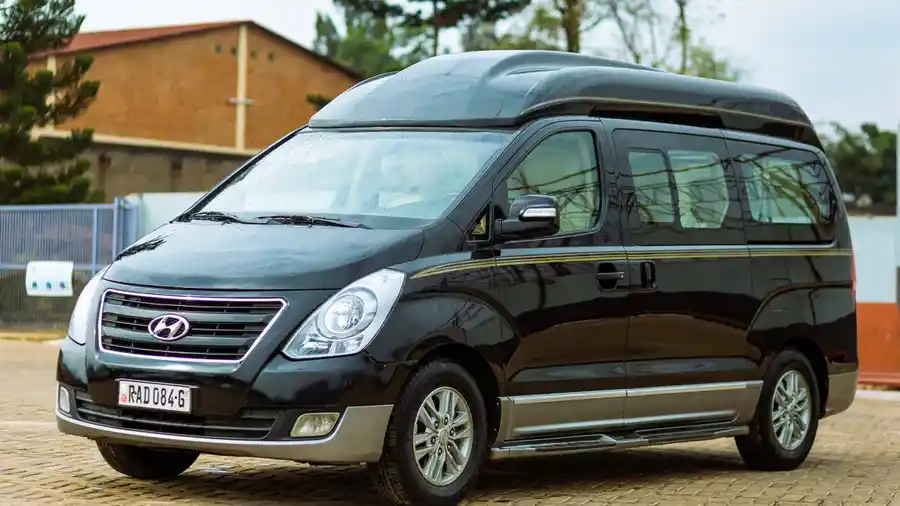
Quick answer: for a family of 4 with 2 car seats and 1 stroller, start by comparing a minivan, a compact SUV, and a full-size sedan before you book. In the article below on how to choose a family rental car size that fits luggage, car seats, and budget, the safest approach is to match the car to the seats, stroller, and bags first; otherwise a lower rate can turn into a counter upgrade or a second vehicle.
Key takeaways
- Count seats first, then luggage. A car that fits everyone can still fail on bags.
- Two car seats can eat the space that a small trunk or cargo area would usually hold.
- A compact SUV works for many small trips, but it is not the right choice for every stroller-and-suitcase load.
- A minivan can make car seat access easier and cargo loading more flexible, but it is not the cheapest answer in every market.
- The cheapest booking can become expensive if you need a second car, extra driver coverage, or a later upgrade at the counter.
What should I size first in a family rental car?
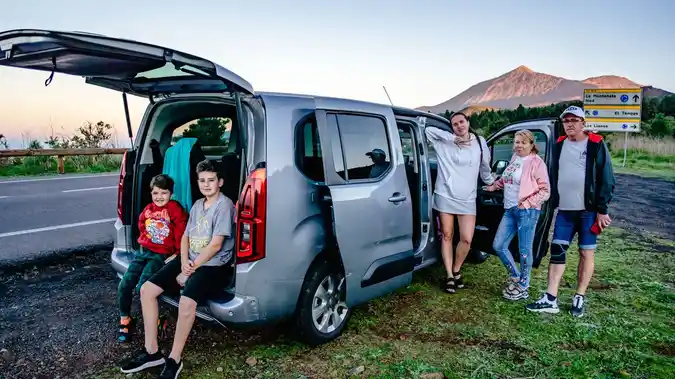
Size the rental car in this order: passengers, car seats, luggage, then budget. That order matters because a car that holds five people on paper may fail once two rear-facing car seats and a stroller take over the back seat and trunk.
Start with the number of real seats you need. A full-size sedan usually works best for a smaller group with one or two adults in the front and back, while a minivan gives more room for three rows and easier child-seat access. A compact SUV sits between them, but its cargo space can disappear once the back row is used.
Then count the child seats. Rear-facing seats usually take more front-to-back room than booster seats, and two installed seats can block the middle seat or make the front passenger seat unusable for a tall adult. If you need a stroller, the cargo area has to hold it without forcing all the suitcases into the cabin.
Budget comes last because the cheapest class is not always the cheapest trip. A smaller car can mean a tight fit, an upgrade at pickup, or a second vehicle if the luggage does not fit. The better question is not “What is the lowest rate?” It is “What is the smallest class that still works without a painful trade-off?”
For child-seat safety basics, the National Highway Traffic Safety Administration and the CDC both have car seat guidance that is worth checking before you book: NHTSA car seats and booster seats and CDC child passenger safety.
How many seats do I really need?
You need one seat for every person who will ride at the same time, plus enough space for the car seats that go with them. A family of 4 may still need a larger class than a 4-seat car if two of those passengers use bulky child seats.
A full-size sedan can be enough for two adults and two children if the children use compact seats or boosters and the luggage is light. It gets much harder if one child is rear-facing or if you are carrying a stroller and several suitcases. A compact SUV may add a little flexibility, but it does not create extra seat width.
A minivan can be the easiest answer when you have 5 or 6 passengers, or when the back row must carry a mix of adults and child seats. The extra row matters less than the wide doors and open cabin, because installing and buckling a car seat is simpler when you are not twisting around a narrow door frame.
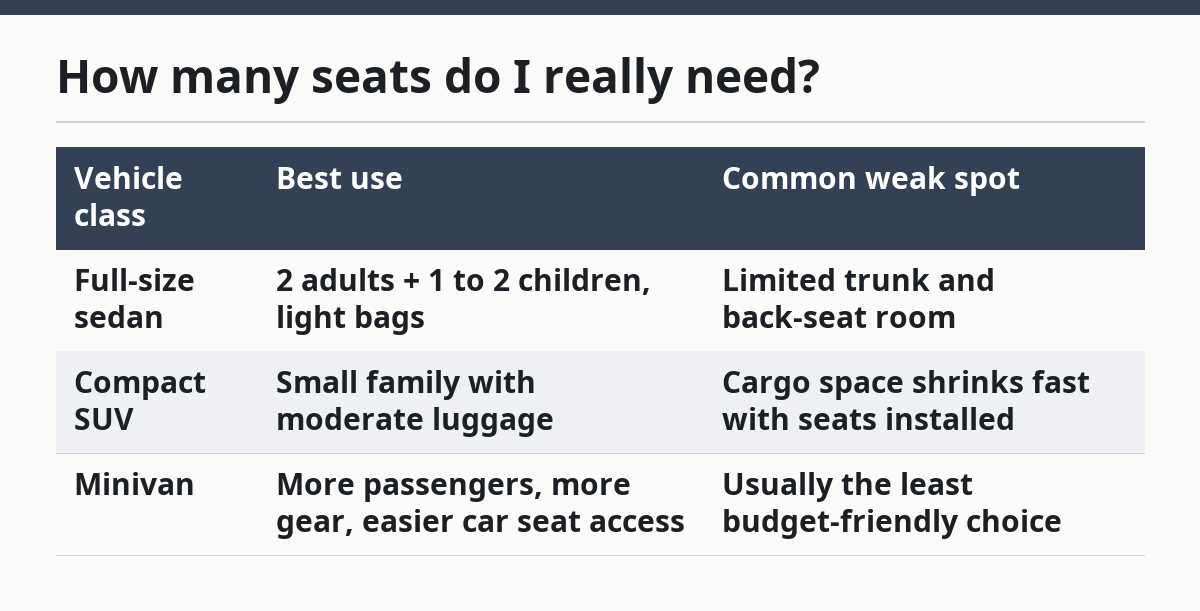
Here is the short version:
| Vehicle class | Best use | Common weak spot |
|---|---|---|
| Full-size sedan | 2 adults + 1 to 2 children, light bags | Limited trunk and back-seat room |
| Compact SUV | Small family with moderate luggage | Cargo space shrinks fast with seats installed |
| Minivan | More passengers, more gear, easier car seat access | Usually the least budget-friendly choice |
If the rental class forces someone into a cramped middle seat, go up a size. A bad seat plan is more tiring than a slightly larger car.
Will the stroller and suitcases fit in the cargo area?
The stroller and suitcases are what usually break the plan, not the passengers. A car that looks fine in a booking screen can run out of cargo room the moment a stroller and three suitcases arrive at pickup.
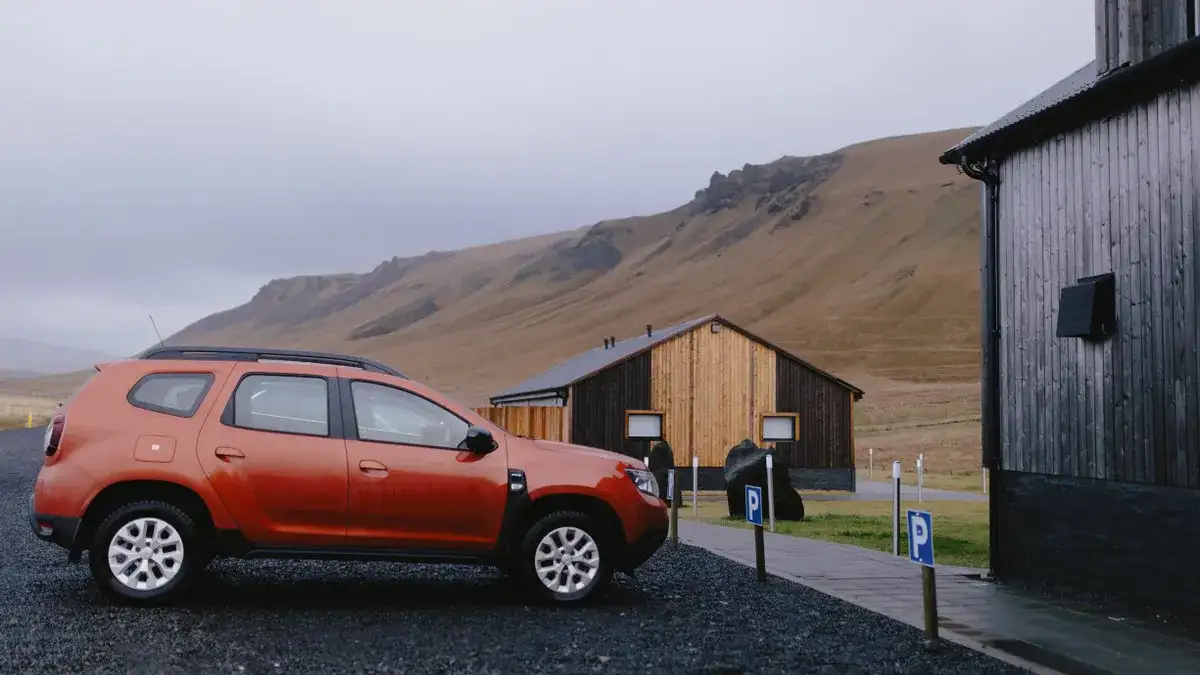
A full-size sedan has a trunk that can work for a compact stroller and a few small bags, but it can become useless if the stroller is large or the luggage is hard-sided. A compact SUV usually gives more flexible cargo height, which helps with odd-shaped bags, yet the usable space still drops if the back seat is occupied by child seats and a passenger.
A minivan can be the safest bet when you know the stroller must travel with you every day. Its square cargo area is easier to pack, and it is less likely to force bags into footwells or onto laps. That matters on a long airport transfer or a hotel move with tired kids.
The mistake here is assuming the cargo area “looks big enough.” It may be big enough for one large suitcase and a folded umbrella stroller, but not for a bulky travel stroller plus multiple checked bags. If the stroller is non-negotiable, treat it like a major item, not an extra, and check the rental car seat and cargo guidance from NHTSA and CDC before you book.
A useful habit is to list the heaviest items first:
- Stroller
- Checked suitcases
- Carry-ons
- Diaper bag or cooler
If the first two items do not fit together in the trunk, the class is too small.
How much space do car seats take up?
Car seats take up more space than most booking sites make obvious. A rear-facing seat can push the front passenger seat forward, and two car seats can make the middle seat too awkward to use.
The problem is not only width. It is also angle and access. Rear-facing seats need room behind them, so the front seat may need to move. Forward-facing seats and boosters usually take less room, but they still make it harder to reach a third passenger in the back row.
If you are planning around two car seats, a compact SUV is often the line where comfort starts to slip. It may still work, but it can leave one adult squeezed in front or make buckling difficult. A minivan handles this better because the door opening is wider and the second row is easier to reach.
A full-size sedan can work for a short trip with one child seat, but it is the riskiest choice when you need two. The car may technically fit the seats, yet every trip becomes slow because loading children, tightening straps, and buckling belts takes more effort.
Car seats also change the budget in a hidden way. If the back seat gets too crowded, you may end up paying for an upgrade at the counter. That is one reason the cheapest car class is not always the cheapest plan.
How should I compare compact SUV, full-size sedan, and minivan?
Compare them by fit, not by label. A compact SUV is not automatically better than a sedan, and a minivan is not automatically wasteful. The right class is the one that handles your exact mix of seats and bags without forcing a compromise you will hate on day 2.
| Choice | Good for | Trade-off |
|---|---|---|
| Compact SUV | Small family, moderate luggage, one or two child seats | Cargo space can be smaller than expected |
| Full-size sedan | Light luggage, one child seat, shorter trips | Trunk and back-seat room are limited |
| Minivan | More passengers, more car seats, stroller-heavy trips | Usually costs more than smaller classes, though not always |
A compact SUV is a sensible middle ground when you need a little more cargo height than a sedan offers. It is the most common “maybe” choice because it often looks roomy enough, then proves tight once the stroller arrives.
A full-size sedan is the budget-minded choice when you are traveling light. It is not the right fit for a packed airport pickup with several checked bags and two child seats. That is where families run into the “we thought it would fit” problem.
A minivan is the least stressful option when comfort and access matter more than keeping the class small. It is especially useful if one adult needs to sit near a child seat or if you will load and unload bags many times.
What extra costs should I check before booking?
Check the extra driver, mileage, and pickup rules before you choose the size. A lower daily rate can hide costs that make the car less affordable than it first appears.
Extra driver rules matter because a second driver may add a charge. If more than one adult will share the driving, that fee belongs in the total cost, not as an afterthought. The same goes for mileage limits if your trip includes a longer route or a lot of local driving.
Pickup and drop-off logistics can also change the right size. A larger car may be harder to park at a narrow lot, hotel curb, or airport garage. If you are arriving late with tired children, the easiest vehicle to load may be worth more than the slightly cheaper class.
Here is the simplest way to decide:
- List every adult who may drive.
- Check whether the booking includes an extra driver or charges for it.
- Look for mileage rules before you compare vehicle sizes.
- Match the car to the pickup lot and the amount of loading space you will actually have.
- Pick the smallest class that still fits the car seats, stroller, and bags without a second vehicle.
That order keeps the budget honest. It also stops a small rental from becoming a stressful one.
When is a bigger car not the right answer?
A bigger car is not the right answer when the trip is short, the luggage is light, and the price jump is hard to justify. If you are carrying only a few bags and one child seat, a minivan can be more car than you need.
The other bad fit is a larger car that is hard to park where you are staying. A wide minivan or SUV can be annoying in a tight city garage, even if it feels roomy on the road. For an urban trip with modest luggage, a full-size sedan may be the smarter call.
The key is to avoid paying for unused space. If your children are in boosters, your stroller folds small, and you have only two suitcases, a compact SUV or sedan may be enough. If the gear list grows, the car should grow with it.
The best rule is simple: buy space only when the trip will use it. That is the part many booking pages do not say out loud.
If you are still comparing transport and lodging trade-offs for the full trip, the hub on budget family trip planning by accommodation and transport tradeoffs is the right next stop. See also the guide to family travel planning and airport car rental tips for related booking decisions.
FAQ
What size rental car do I need for a family of 4?
A family of 4 often fits in a full-size sedan or compact SUV, but the right answer depends on car seats and luggage. If two children use car seats, especially rear-facing ones, the back seat can get tight fast. A stroller and several suitcases can push you into a minivan or a larger SUV.
Does a minivan always cost more than an SUV?
No, a minivan does not always cost more than an SUV. Rental rates vary by location, date, and demand, so a smaller-looking vehicle can still be pricier than a larger one on a given day. The only safe move is to compare the total cost after extra driver charges and mileage rules.
How much trunk space do family car seats take up?
Car seats do not take trunk space directly, but they often take the space that people and bags would use. Rear-facing seats can reduce front-seat legroom, and two car seats can crowd the back row enough that bags move into the cargo area. That is why a stroller and suitcases matter so much when you choose the class.
Drafted with AI; not yet reviewed by a person.